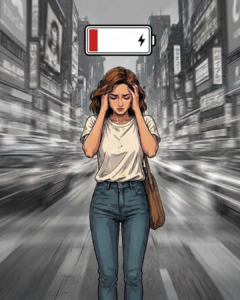

Why Brain Fog Appears When You’ve Been Carrying Too Much for Too Long
Brain fog is not simply tiredness. It is the emotional cost of repeatedly seeing what others ignore, feeling what others dismiss, and trying to create fairness in situations where your voice does not create change. It often appears after long periods of noticing what is wrong, feeling what is unfair, and trying to communicate your perspective without being met.
Brain fog becomes the pause your system creates when anger has nowhere safe to go.
The Emotion Is The Message
Brain fog often shows up when your system has been carrying frustration for too long. You may feel mentally heavy, emotionally distant, or unable to focus. You may notice yourself withdrawing, slowing down, or losing clarity.
These reactions are not about lack of motivation. They are reminders of past experiences where speaking up did not create change and staying silent felt safer.
Brain fog becomes the message that your system is trying to protect you from conflict, disappointment, or the emotional cost of being unheard.
It is not pointing toward weakness. It is pointing toward exhaustion from carrying too much responsibility.
How You Were Taught To Relate To People Or Get Approval
Many people learn early that staying safe means staying reasonable. You were taught to listen first, understand others before offering your own perspective, avoid conflict unless necessary, and maintain harmony by absorbing tension rather than creating it.
This approach is often praised as maturity. It becomes draining when you make space for others while they do not make space for you.
You notice behaviour. You recognise impact. You understand what needs to change. You try to explain. You try to create fairness.
Yet the challenge continues.
These early experiences taught your system that protecting others’ comfort is safer than protecting your own truth. As an adult, brain fog can still respond as though those rules are in place.
The Truth Is The Mismatch
You may say you want clarity, yet your system is organised around avoiding emotional danger. You want honesty, yet your younger self wants protection. You want fairness, yet your system remembers when expressing anger felt risky.
This creates a mismatch.
Your adult self is ready for directness.
Your younger self is trying to keep you safe from what once felt overwhelming.
Brain fog appears when these two needs collide. You want to speak, yet your system slows you down because it learned that honesty can lead to conflict.
The mismatch is not a flaw. It is a sign that your desire for fairness is meeting an old strategy that once helped you survive.
The Problems You Protect Yourself From
Brain fog protects you from experiences that once felt too big to carry:
- Being dismissed.
- Being misunderstood.
- Being criticised.
- Being seen as too direct.
- Being told your perspective is wrong.
- Being responsible for conflict you did not create.
Your system reacts quickly to prevent these outcomes. It is not trying to limit your clarity. It is trying to keep you safe from emotional discomfort that once felt unbearable.
The cost is subtle. You may withdraw from conversations, avoid situations you already know will repeat, or feel resentment from trying to create fairness while others continue creating the same challenges. You may listen far more than you are listened to. You may feel responsible for maintaining harmony even when others create conflict.
Not because you lack strength. Because your system is still organised around avoiding what once hurt you.
The Question Creates The Choice
Brain fog invites reflection. Ask yourself:
“What is mine to influence.”
“Where am I trying to create change that someone else must choose.”
“What part of me learned that expressing anger is unsafe.”
“What becomes possible when I protect my energy instead of protecting harmony.”
These questions shift you from heaviness into clarity. They help your system recognise that you are no longer living in the environment where your younger self learned those rules.
Final Reflection
Brain fog is not a sign that you are unclear. It is a sign that your system has been carrying responsibility that no longer belongs to you. As you recognise the influence behind the heaviness, you begin creating movement that reflects your values without sacrificing your energy. This is where clarity returns in a way that feels grounded, honest, and aligned with who you are becoming.
Ways We Can Work Together
If you’re ready to stop wondering what’s been getting in your way and understand the pattern that’s been shaping your life, I’d love to support you.
Choose the path that feels right for you.
Start with the 5-Minute Insight to discover the hidden influence that has been quietly directing your choices and draining your energy.
Or experience a Clarity Hour, where we’ll uncover the pattern beneath your situation, reconnect you with what matters most, and give you clear, personalised direction for what comes next.
You don’t need more years of searching. You need the clarity to see what has been there all along.
Soul clarity. Real direction.
Sincerely Claire