
Why Procrastination Feels So Hard To Break
Procrastination is often misunderstood. Many people assume it means laziness, lack of motivation, or not caring enough.
Yet if you have ever sat down to begin something important and felt your body freeze, you already know those explanations do not match your experience.
Procrastination does not feel like choosing rest. It feels like wanting to move and being unable to. You can see the task, feel the desire, and still feel blocked. This creates frustration, confusion, and a sense of being at odds with yourself.
Procrastination is rarely a discipline problem. It is an emotional message. Once you understand what your system is trying to protect you from, the struggle becomes far easier to understand.
The Emotion Is The Message
Procrastination often appears when the task carries emotional weight. You may want to begin, yet your system senses risk. The hesitation is not random. It is a signal that something inside you does not feel safe moving forward.
You might notice tension, pressure, or a sudden drop in energy. You might feel distracted or overwhelmed. These reactions are not resistance to the task itself. They are responses to what the task represents.
Procrastination becomes the message that your system is trying to protect you from discomfort, judgment, or the possibility of getting something wrong.
How You Were Taught To Relate To People Or Get Approval
Many people learn early that approval arrives when they do things
“the right way.”
You may have learned to look outside yourself for cues:
“What do you want me to do?”
“How should I do this?”
“What will keep me safe from criticism?”
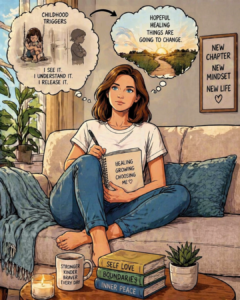
These questions often begin in childhood. Approval may have been linked to performance. Acceptance may have been linked to being responsible, careful, or correct. You learned that staying connected meant avoiding mistakes.
As an adult, this learning quietly shapes how you approach tasks. Anything that could be evaluated, judged, or compared can activate the same emotional response you once felt as a child.
Your system pauses because it remembers the cost of getting things wrong.
The Truth Is The Mismatch
You may say you want progress, yet your system is organised around avoiding emotional danger.
You want movement, yet your nervous system is protecting you from the possibility of judgment.
This creates a mismatch.
Your adult self wants freedom, creativity, and momentum.
Your younger self wants safety, reassurance, and approval.
Procrastination appears when these two needs collide. You want to begin, yet your system slows you down because it learned that action can lead to discomfort.
The mismatch is not a flaw. It is a sign that your desire for growth is meeting an old strategy that once kept you safe.
The Problems You Protect Yourself From
Procrastination protects you from experiences that once felt overwhelming:
- Fear of getting it wrong.
- Fear of disappointing someone.
- Fear of being judged.
- Fear of not meeting expectations.
- Fear of feeling inadequate.
- Fear of being seen in a vulnerable moment.
Your system pauses to prevent these outcomes. It is trying to keep you safe from emotional discomfort, not trying to sabotage your progress.
The cost is subtle. You lose time, energy, and momentum. You may feel frustrated or ashamed. You may begin doubting your ability to follow through.
Yet underneath all of this, your system is simply responding to old emotional information.
The Question Creates The Choice
Procrastination invites reflection. Ask yourself:
“Where have I been trying to earn approval before I allow myself to begin?”
“What part of this task feels emotionally risky?”
“What would action look like if I did not need reassurance first?”
“What do I want to do, not what do I think I should do?”
These questions shift you from pressure into choice. They help your system recognise that you are no longer in the environment where your old strategy was formed.
Final Reflection
Procrastination is a message from your system, not a flaw in your character. It shows you where safety once mattered more than progress.
When you recognise the influence behind your hesitation, you begin creating movement that reflects who you are now, not who you had to be then.
Action becomes easier when it comes from choice, clarity, and ownership. This is where self‑trust grows. This is where momentum returns.
Ways We Can Work Together
If you’re ready to stop wondering what’s been getting in your way and understand the pattern that’s been shaping your life, I’d love to support you.
Choose the path that feels right for you.
Start with the 5-Minute Insight to discover the hidden influence that has been quietly directing your choices and draining your energy.
Or experience a Clarity Hour, where we’ll uncover the pattern beneath your situation, reconnect you with what matters most, and give you clear, personalised direction for what comes next.
You don’t need more years of searching. You need the clarity to see what has been there all along.
Soul clarity. Real direction.
Sincerely Claire