Why You Can Feel Lonely Even When You Are Surrounded By People
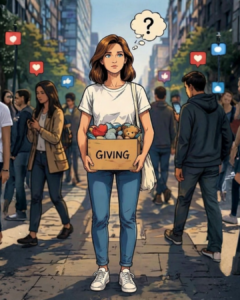
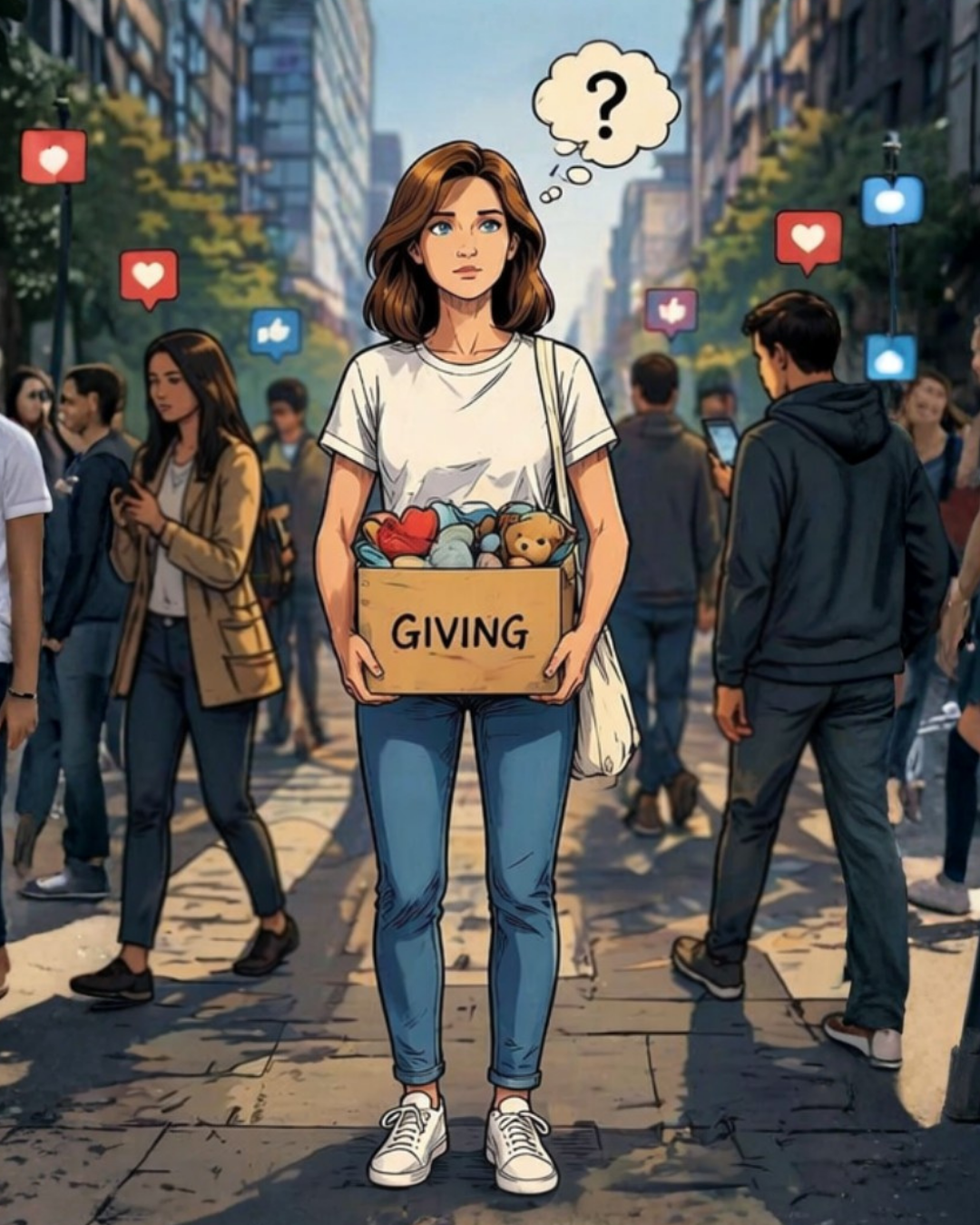
Loneliness is often imagined as having no one around, yet many women experience a different form. It appears when you are surrounded by people but feel unseen in ways that matter to you.
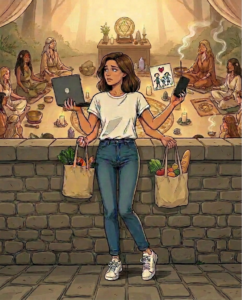
You might be the person others rely on, the one who notices details, offers support, and anticipates needs.
These qualities create connection for others, yet they can leave you wondering whether anyone recognises your inner world.
Questions begin to surface.
“Does anyone know me?”
“Would people still choose me if I stopped giving?”
This type of loneliness becomes a message. It points toward a deeper need for connection that reflects who you are, not only what you provide.
The Emotion Is the Message
Loneliness can appear even when your life includes relationships, social interaction, and people who depend on you.
The feeling emerges when you sense a gap between the connection you offer and the connection you receive. You may appear capable and engaged yet still feel separate from the emotional closeness you desire.
The missing element is often the experience of being fully known. Not for your reliability or your strength, but for your humanity.
How You Were Taught To Relate To People Or Get Approval
Many people learn early that connection grows through contribution.
Approval may have arrived when you were helpful. Attention may have arrived when you were responsible. Belonging may have arrived when you made life easier for others.
Over time, these experiences shape a belief.
“If I contribute, I will be valued.”
“If I support others, I will remain important.”
“If I stay agreeable, I will be included.”
These strategies often begin in relationships where acceptance felt linked to behaviour rather than authenticity.
You learned how to create connection, yet you may not have learned how to receive it without effort.
The Truth Is The Mismatch
You may say you want deeper connection, yet your childhood strategy for staying safe can interfere with that desire.
You learned to create harmony, anticipate needs, and stay emotionally available. These behaviours once protected you, yet they can make it difficult for others to see your inner world.
The mismatch appears when your longing for closeness meets a relational style built around contribution. You want to be known, yet you continue offering support instead of expressing your own needs.
The Problems You Protect Yourself From
When your value becomes tied to what you offer, you naturally become skilled at noticing the needs of others. You anticipate. You adapt. You support. You make yourself available. These behaviours protect you from the fear of being overlooked or replaced.
The cost is subtle. People recognise your contribution, yet they may not recognise your inner experience. They know what you do. They may not know what you need.
The Question Creates The Choice
Loneliness invites reflection.
Ask yourself:
“Where have I been trying to earn the connection I desire?”
“What parts of myself have I hidden because I feared they would change how others see me?”
“What would connection look like if I no longer had to prove my value?”
Final Reflection
Loneliness can guide you toward a different relationship with yourself. It can reveal the parts of you that are ready to be seen, supported, and expressed.
When you recognise the message inside the emotion, you begin creating connection that reflects your full identity.
Your value has always been present. Now you are learning to let it be witnessed.
Ways We Can Work Together
If you’re ready to stop wondering what has been getting in your way and understand the deeper influence shaping your life, I’d love to support you.
Choose the path that feels right for you.
Start with the 5‑Minute Insight to discover the hidden influence that has been quietly directing your choices and draining your energy.
Or experience a Clarity Hour, where we explore the truth beneath your situation, reconnect you with what matters most, and give you clear, personalised direction for what comes next.
You don’t need more years of searching. You need the clarity to see what has been there all along.
Soul clarity. Real direction.
More Clarity on What Blocks You